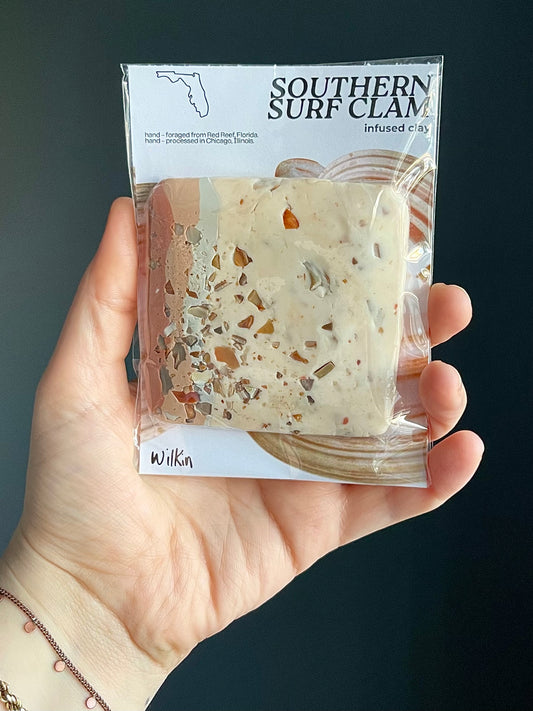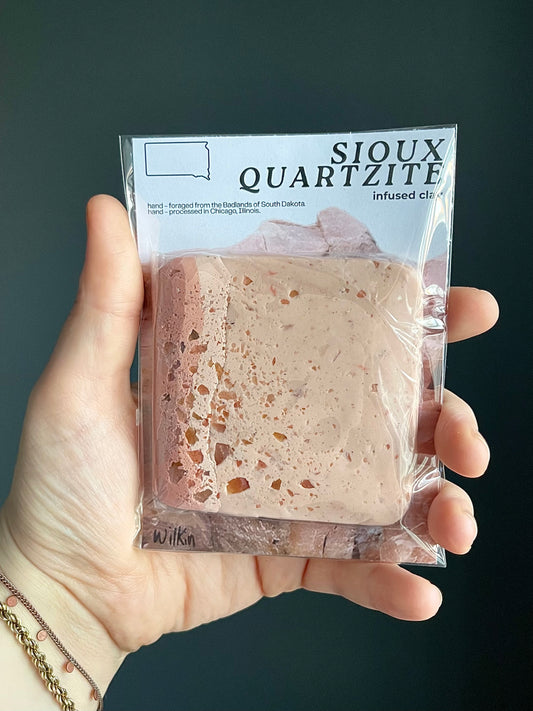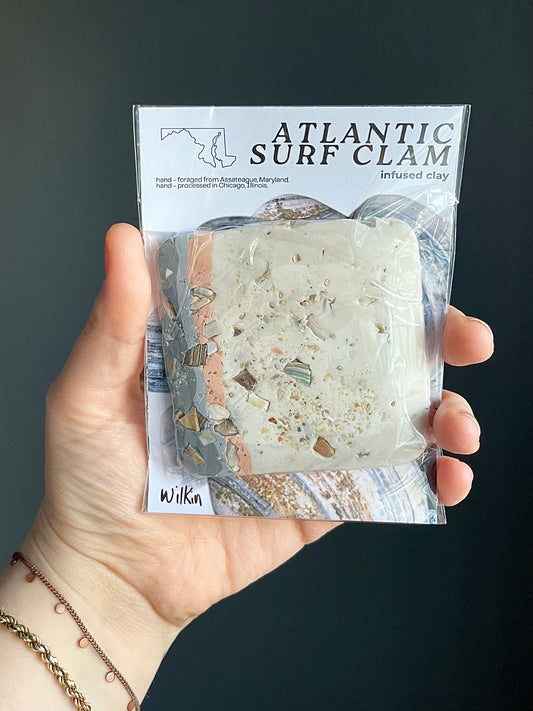
shop by fragment type
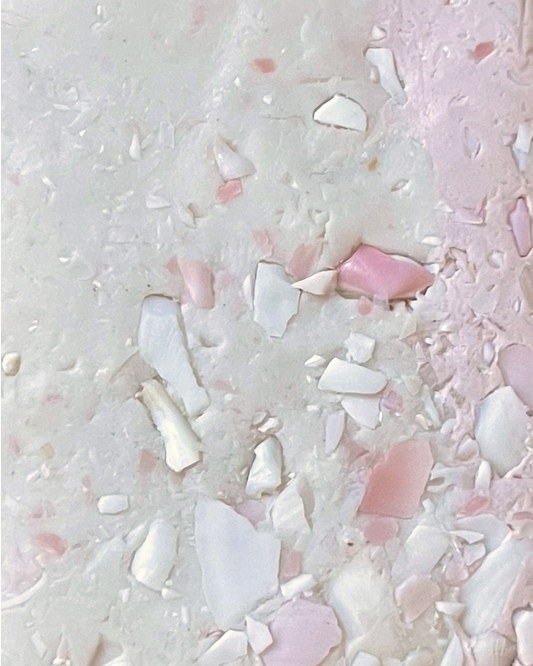
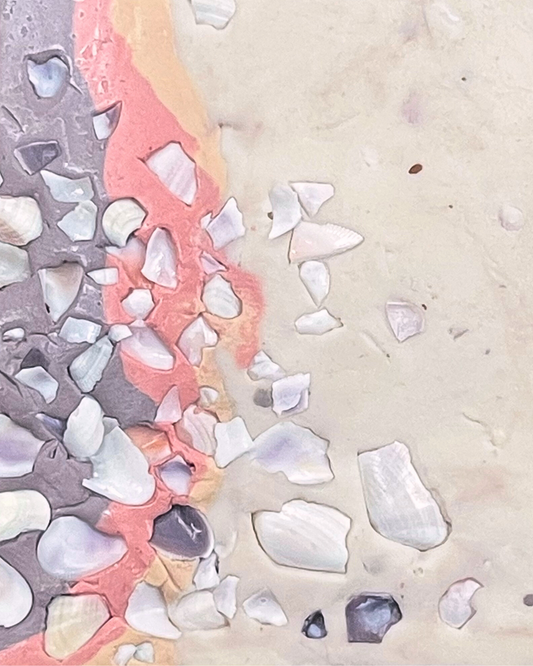
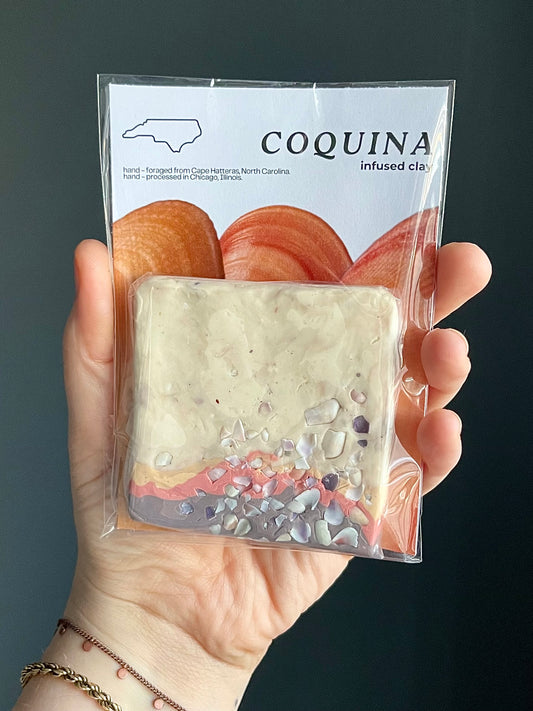
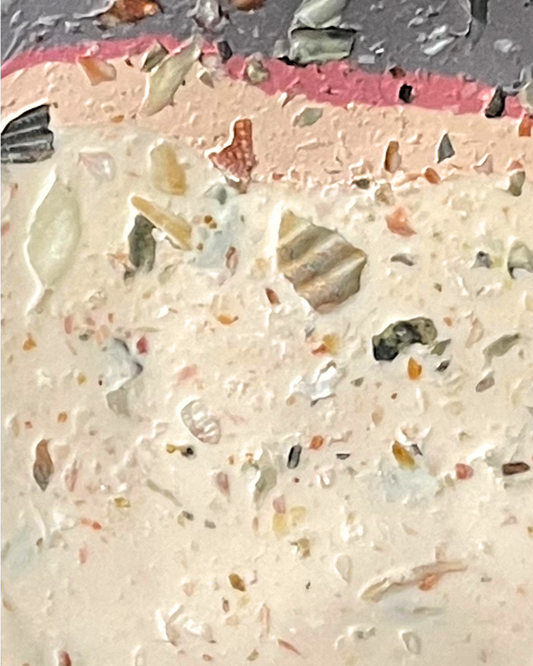
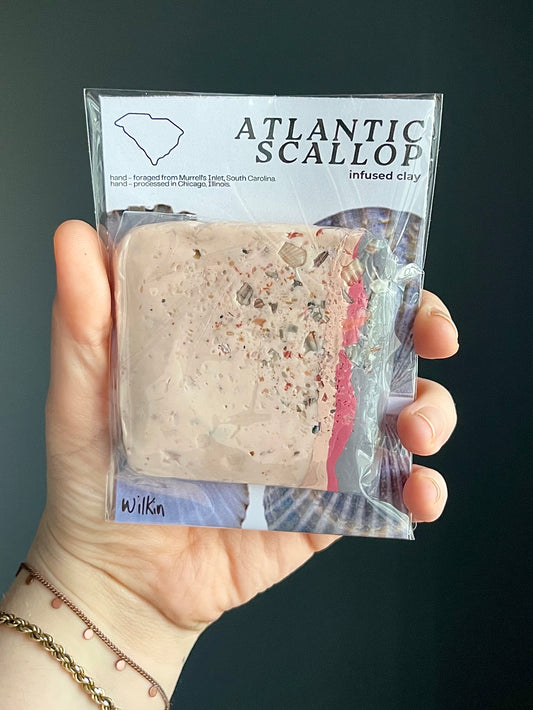
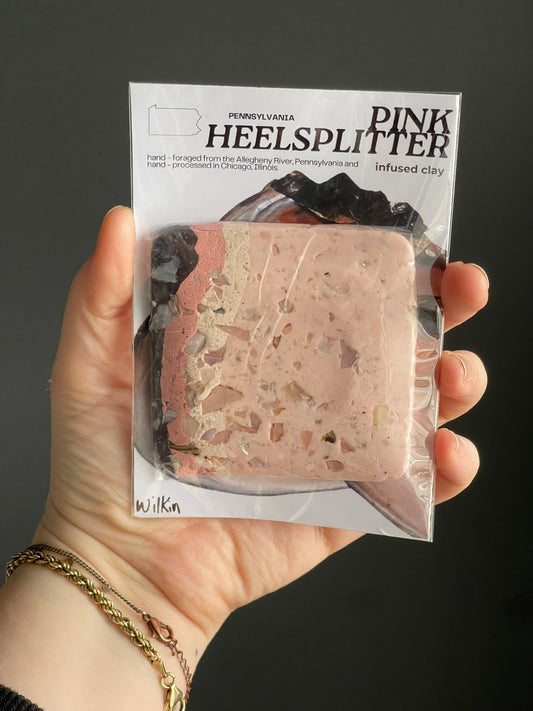
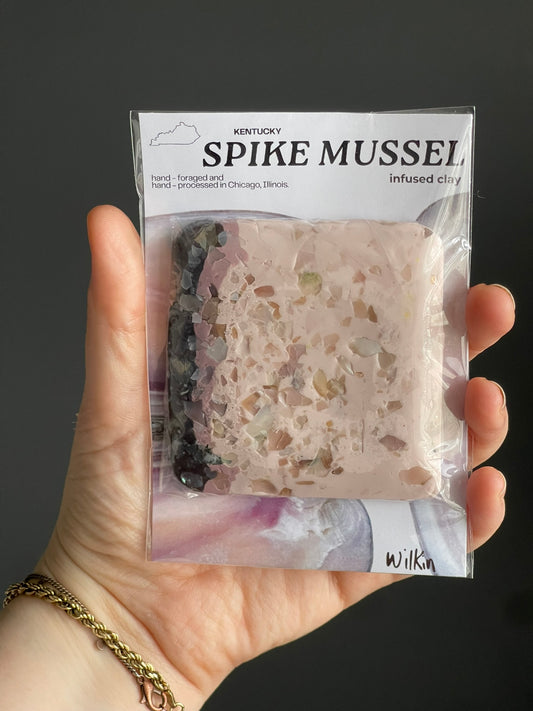
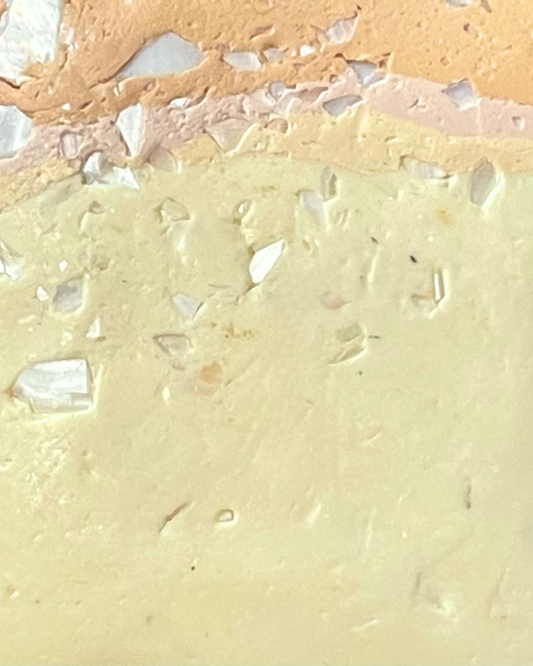
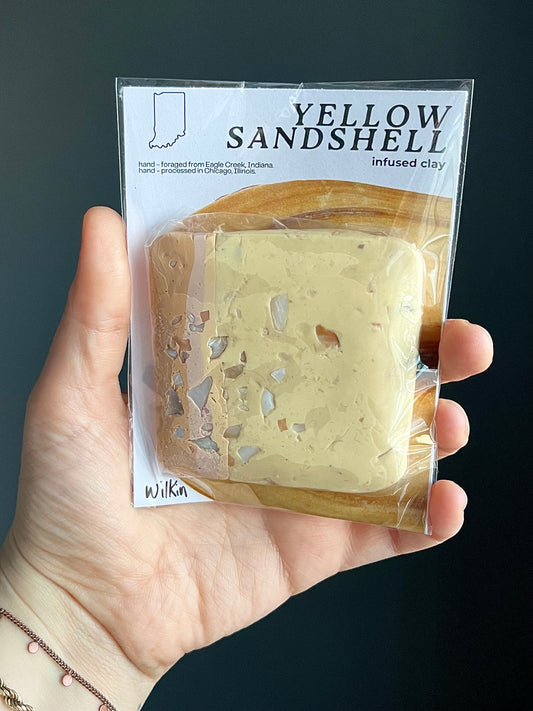
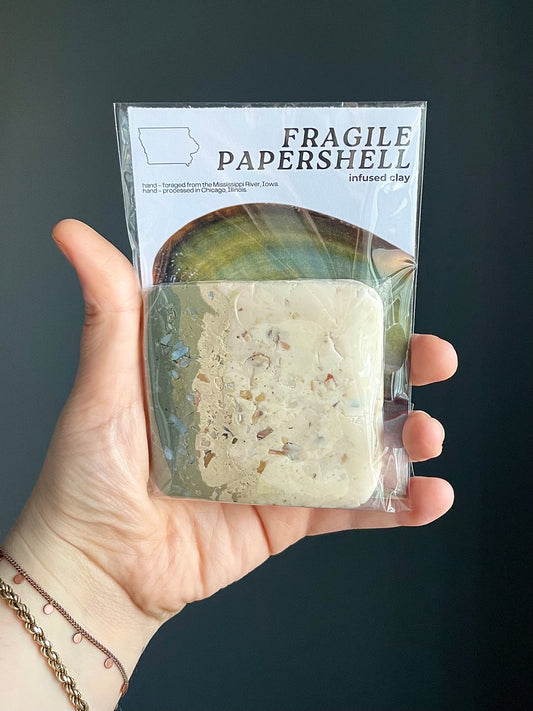
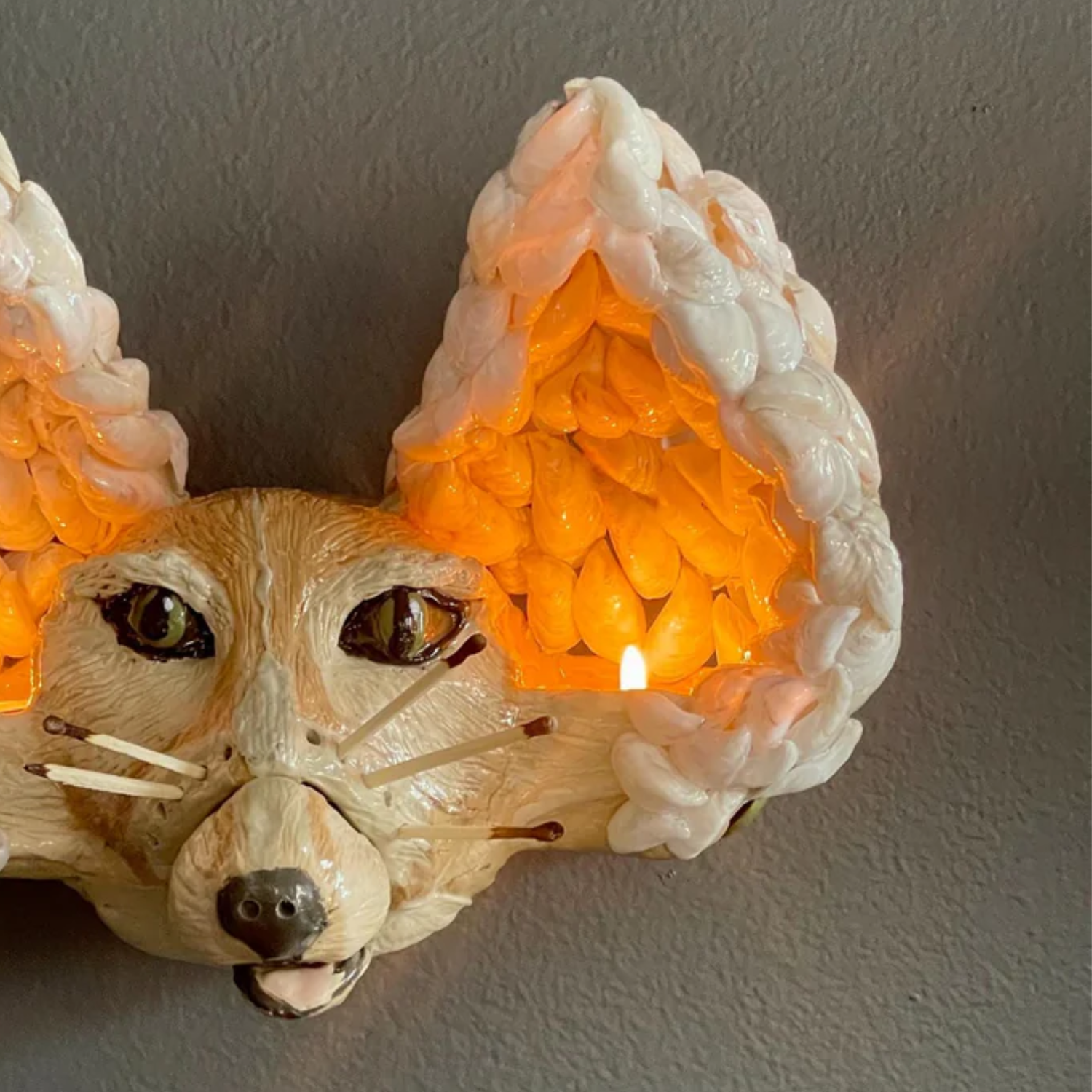
Shells have long been collected and processed for their natural pigment and textural qualities that enhance sculptural art. I collect coastal and freshwater shells from across the country, focusing on already-fragmented, native, non-rare pieces. After treating the plants with ingredients like vinegar, bleach, and sun, I carefully clean each piece and hand-crush and mix the final fragments with polymer clay.
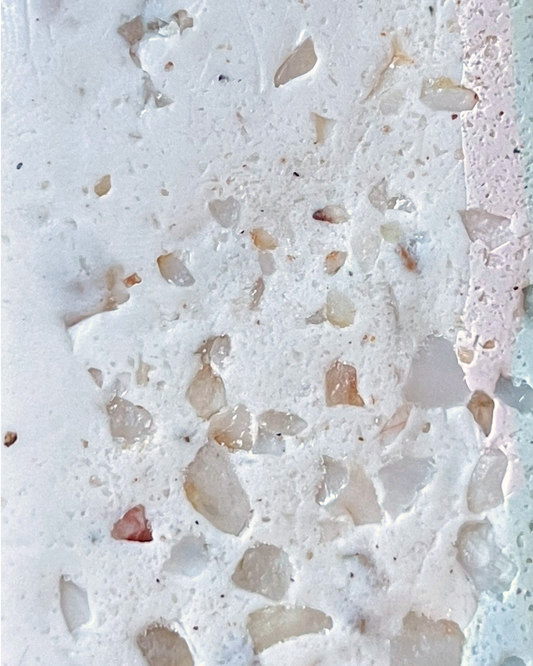
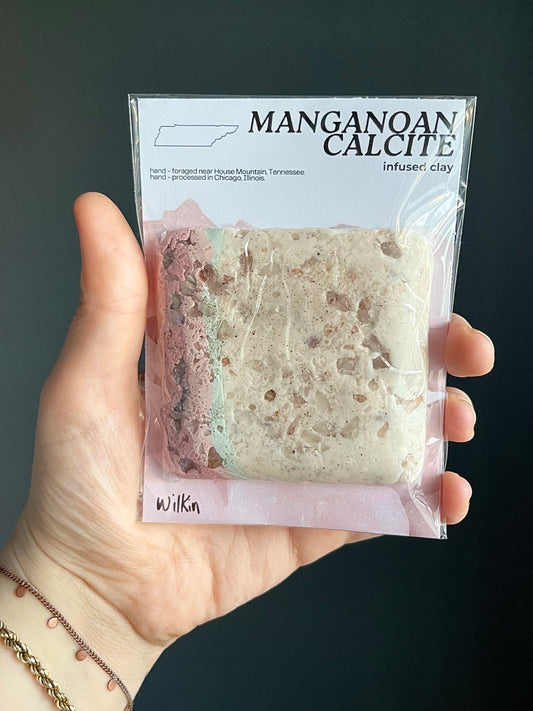
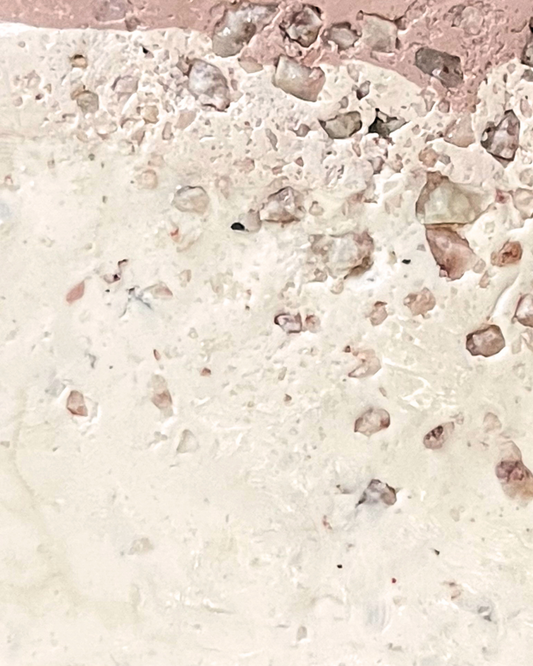
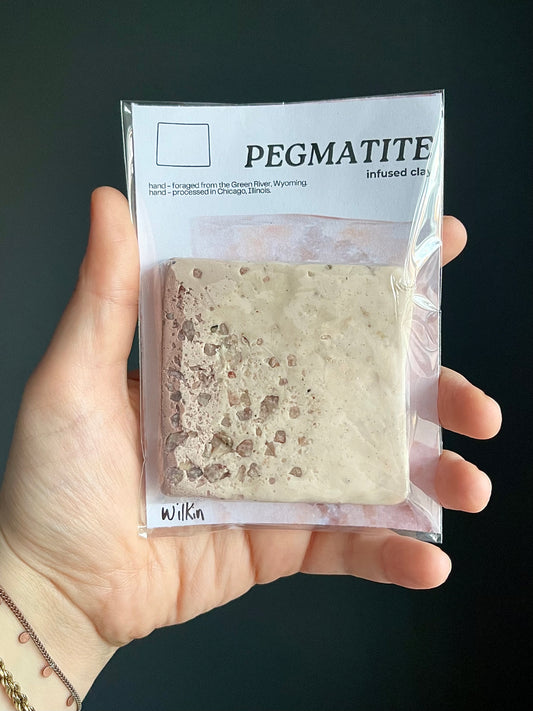
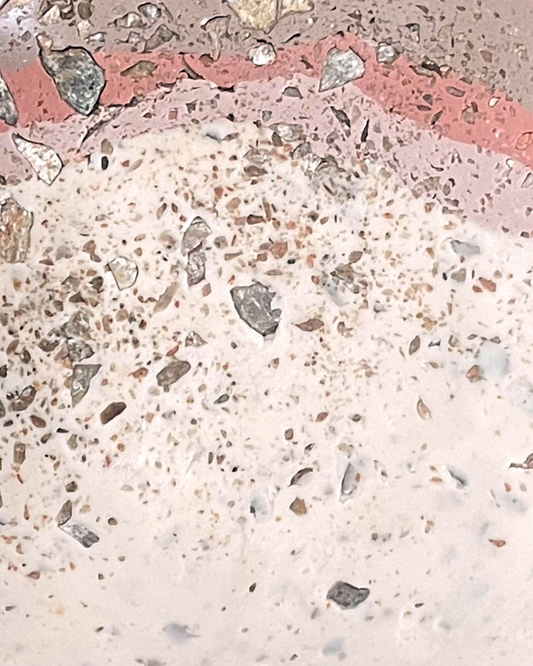
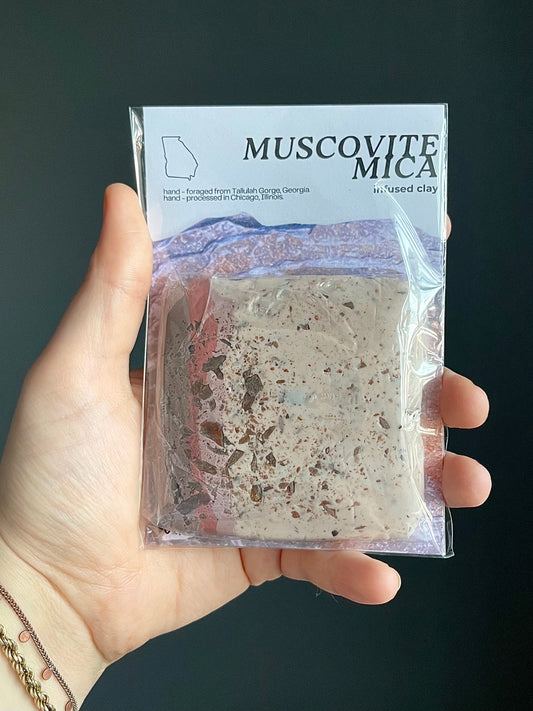
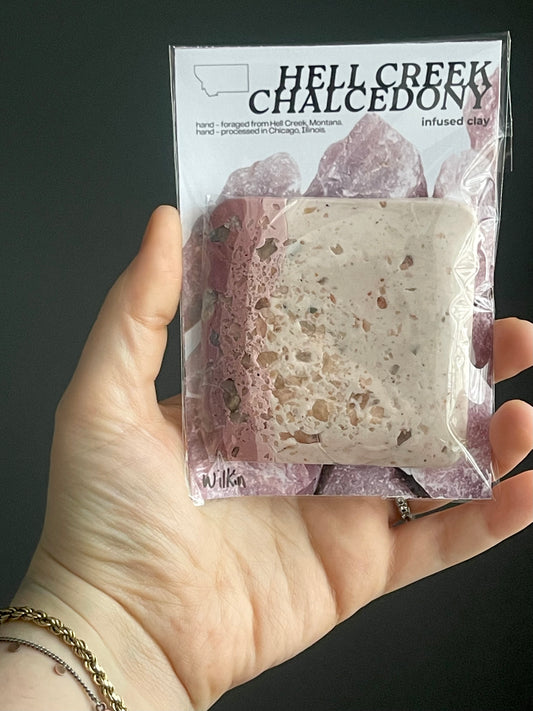
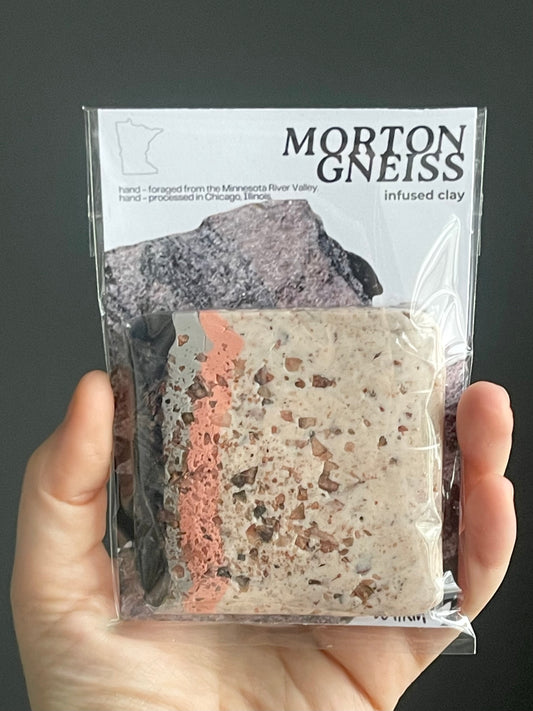
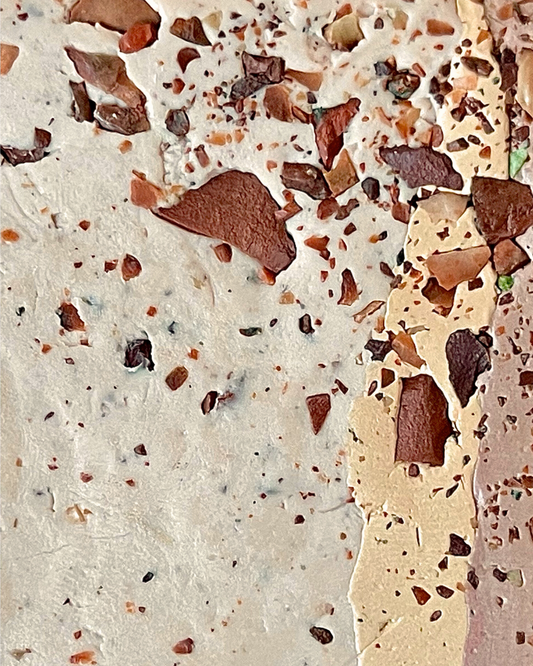
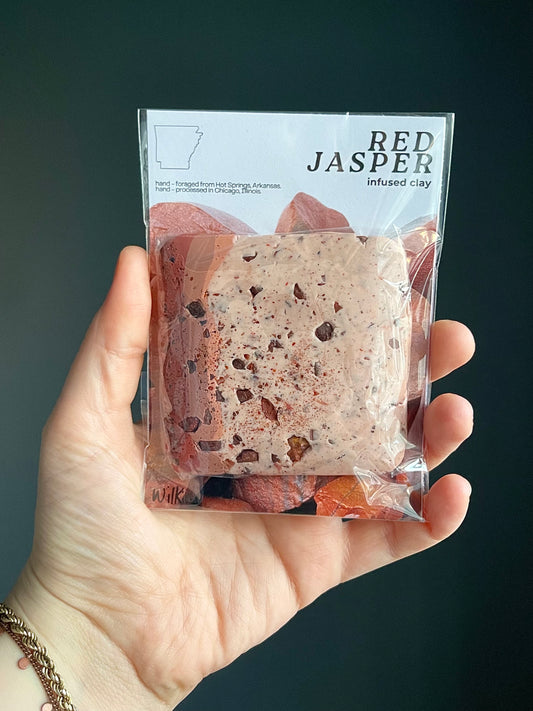
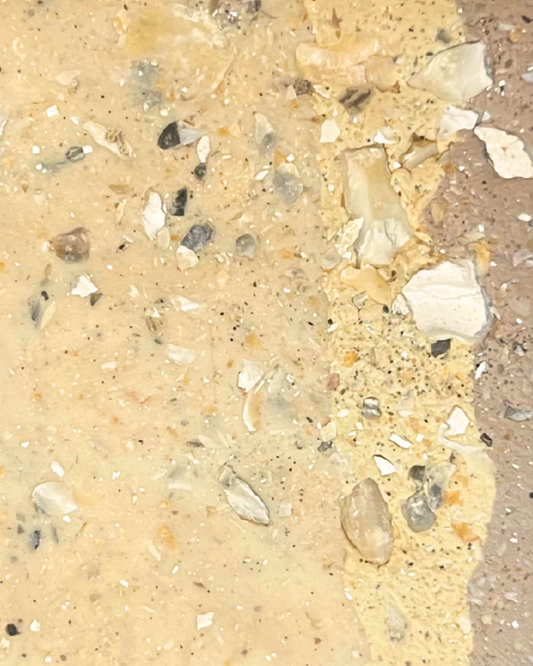
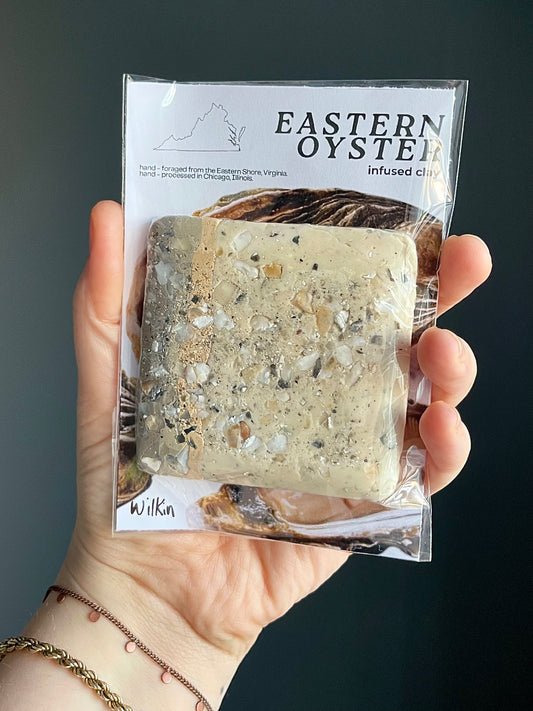
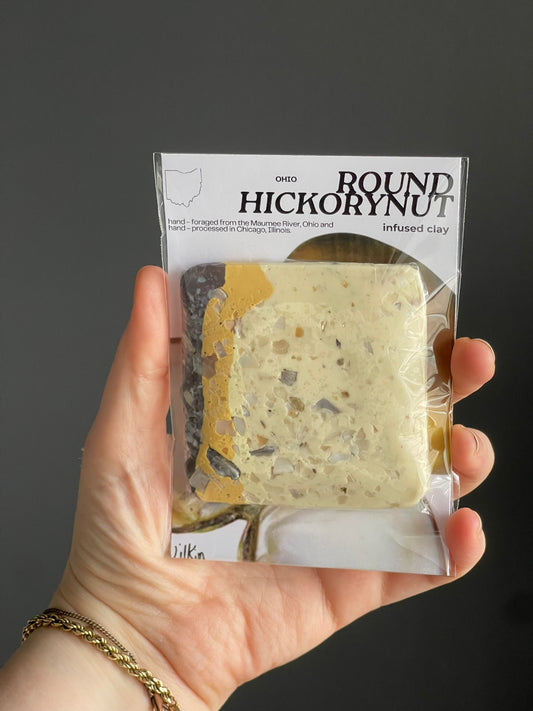
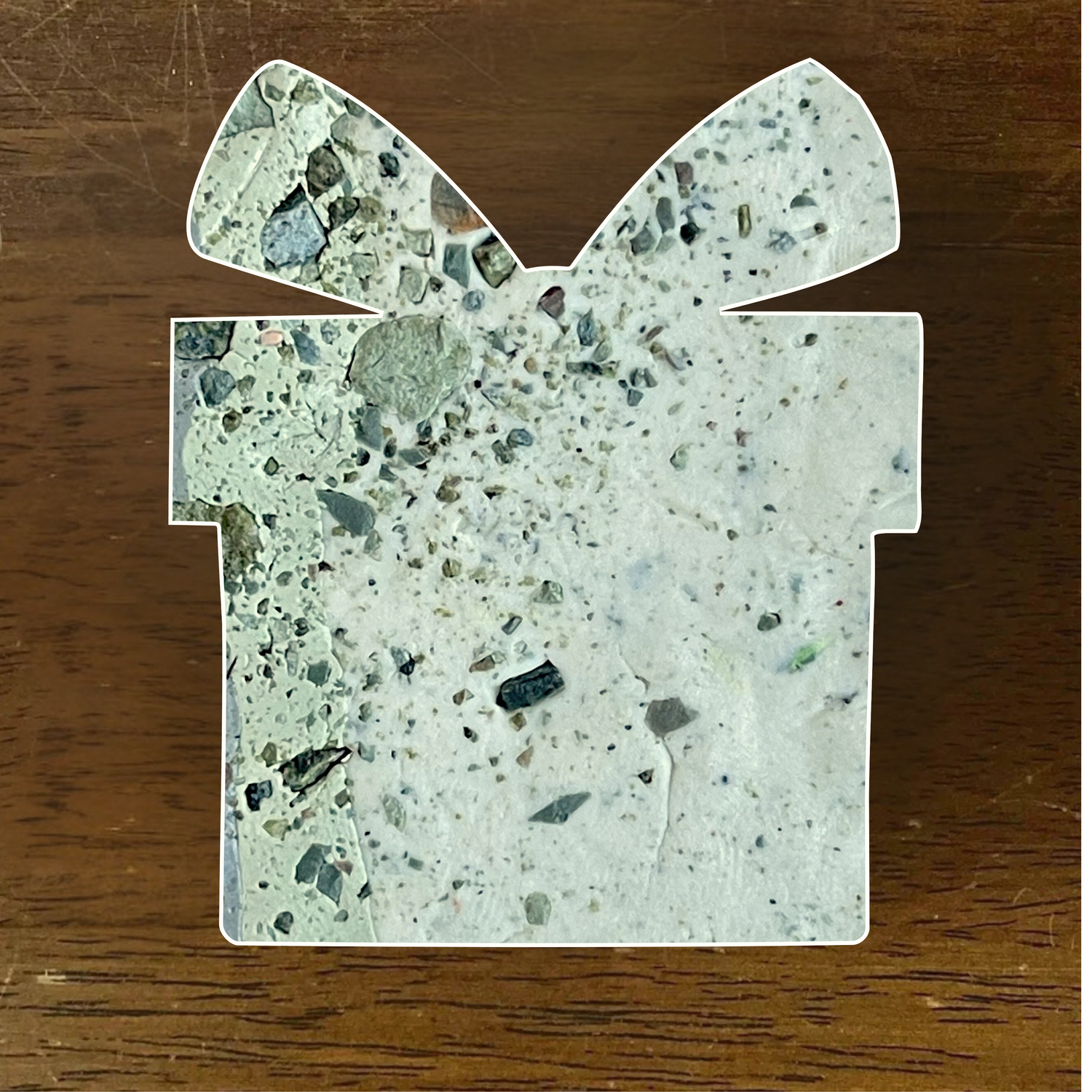
I've collected rocks since I was small, and I focus my adult rockhounding on common, non-rare, and ethically sourced rock that represents the regions where it's found. After hand-crushing, sieving, and sorting my rock fragments I carefully mix the final fragments with polymer clay.
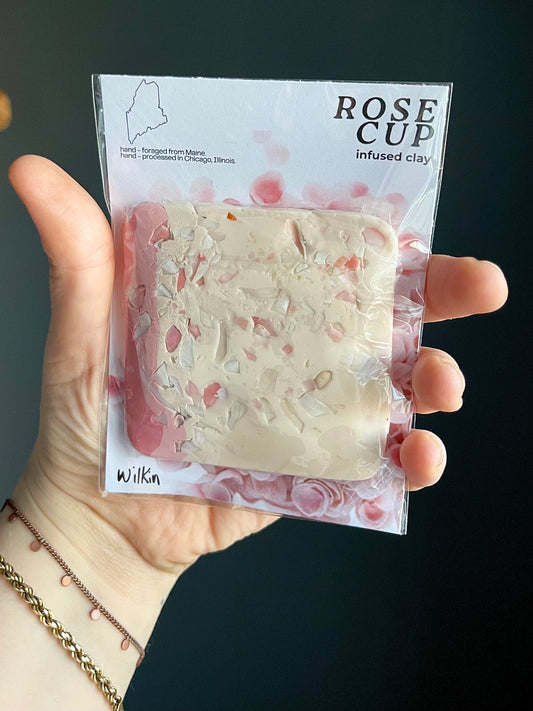
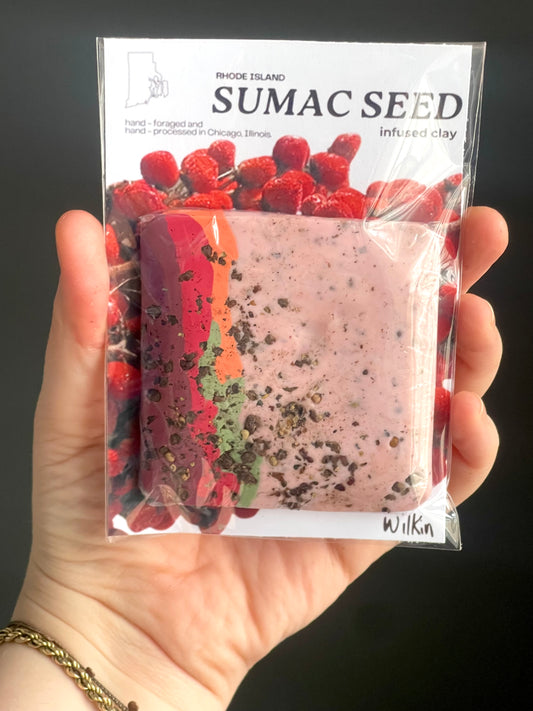
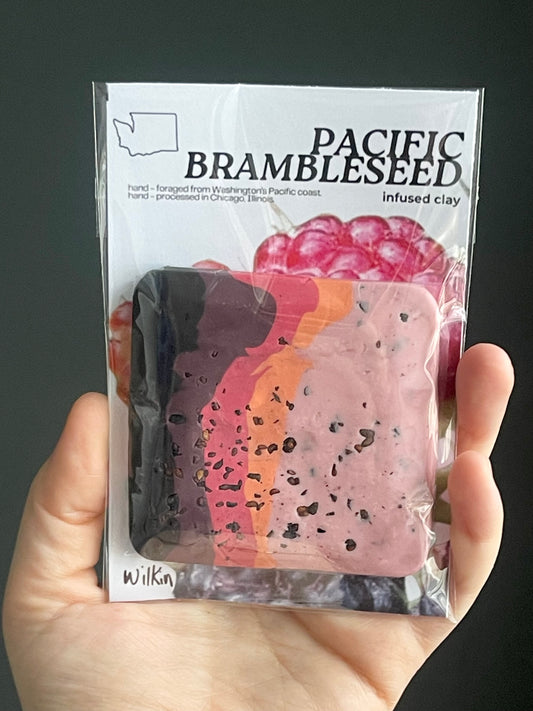
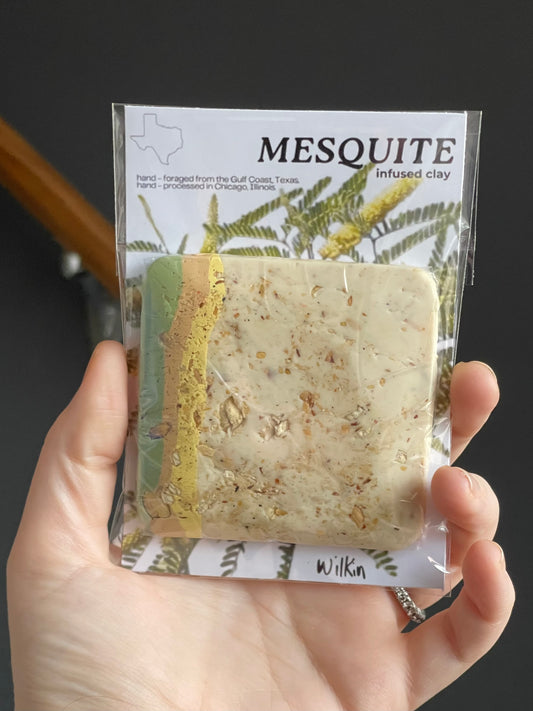
Each of the plants in this collection have raw components that strengthen the function, pigmentation, and textural effect of the polymer clay with which they are mixed. I collect plant seeds and forms for growing and for art. After treating the plants with natural ingredients like vinegar, heat, and sun, I remove undesirable elements and hand-crush and mix the final fragments with polymer clay. Each plant plays tribute to the state where I found them.
regional clay bundles
-
Indiana, Ohio, Iowa, Illinois, Wisconsin, and Michigan
-
New York, West Virginia, Tennessee, Kentucky, Pennsylvania, and Virginia
-
California, Wyoming, Washington, Oregon, Nevada, and Idaho
-
Montana, Nebraska, Kansas, South Dakota, North Dakota, and Minnesota
-
Texas, Arizona, Utah, Oklahoma, New Mexico, and Colorado
-
Massachusetts, Rhode Island, Vermont, Connecticut, New Hampshire, and Maine
infused clay FAQ
Is this safe for... ?
KIDS: NO.
ANIMALS: NO.
Handle slowly and carefully. There are sharp fragments in this product.
What is the clay made of?
The clay is made with a blend of translucent Sculpey III, iron oxides for pigmentation, and natural pigmented fragments that were hand foraged and processed.
How do I sculpt with it?
Handle slowly and carefully. There are sharp fragments within.
Hand mix the polymer after unpackaging to rewarm the clay and aid in pliability.
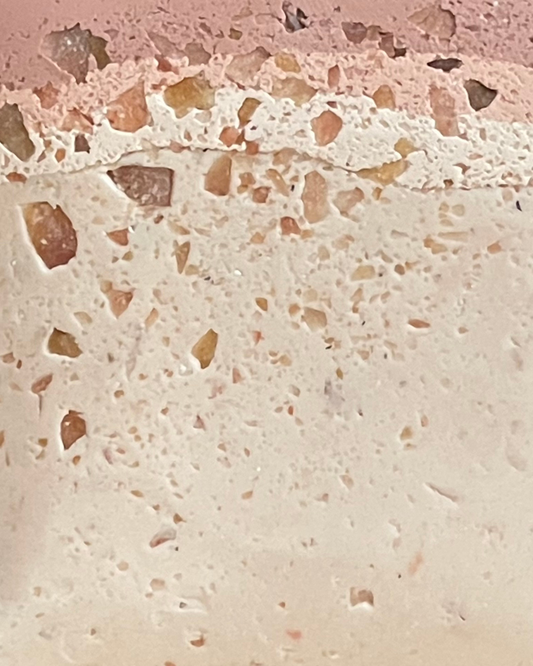
To maximize the amount of fragments visible in your piece, roll the clay thin to get the most surface area possible. Use other medium beneath for maximum product use.
Shape your piece normally. Pay careful attention to the surface of your piece. Push the clay around the fragments at the surface of your clay to create the texture you'd like to see.
How do I fire it?
Same instructions as Sculpey III.
275 for 15 minutes per 1/4" thickness.
How do I seal it?
Sealing the clay helps hold the surface fragments in place after firing. I use a few layers of mod-podge for small pieces. For larger pieces, I apply UV resin then mod-podge.